
The Impact of AI and Automation on University Curriculums
The rapid rise of artificial intelligence (AI) and automation is not just reshaping industries but is also beginning to redefine the very essence...
The rapid rise of artificial intelligence (AI) and automation is not just reshaping industries but is also beginning to redefine the very essence of education. South African universities, like their counterparts around the world, are grappling with the challenge of integrating these transformative technologies into their curriculums. The convergence of AI and automation with traditional educational paradigms has created an urgency for institutions to rethink their approach to teaching and learning. This article delves into how these changes are taking shape, the challenges faced, and the future prospects for higher education in South Africa.
Understanding AI and Automation: A New Era for Education
Defining AI and Automation in the Context of Education
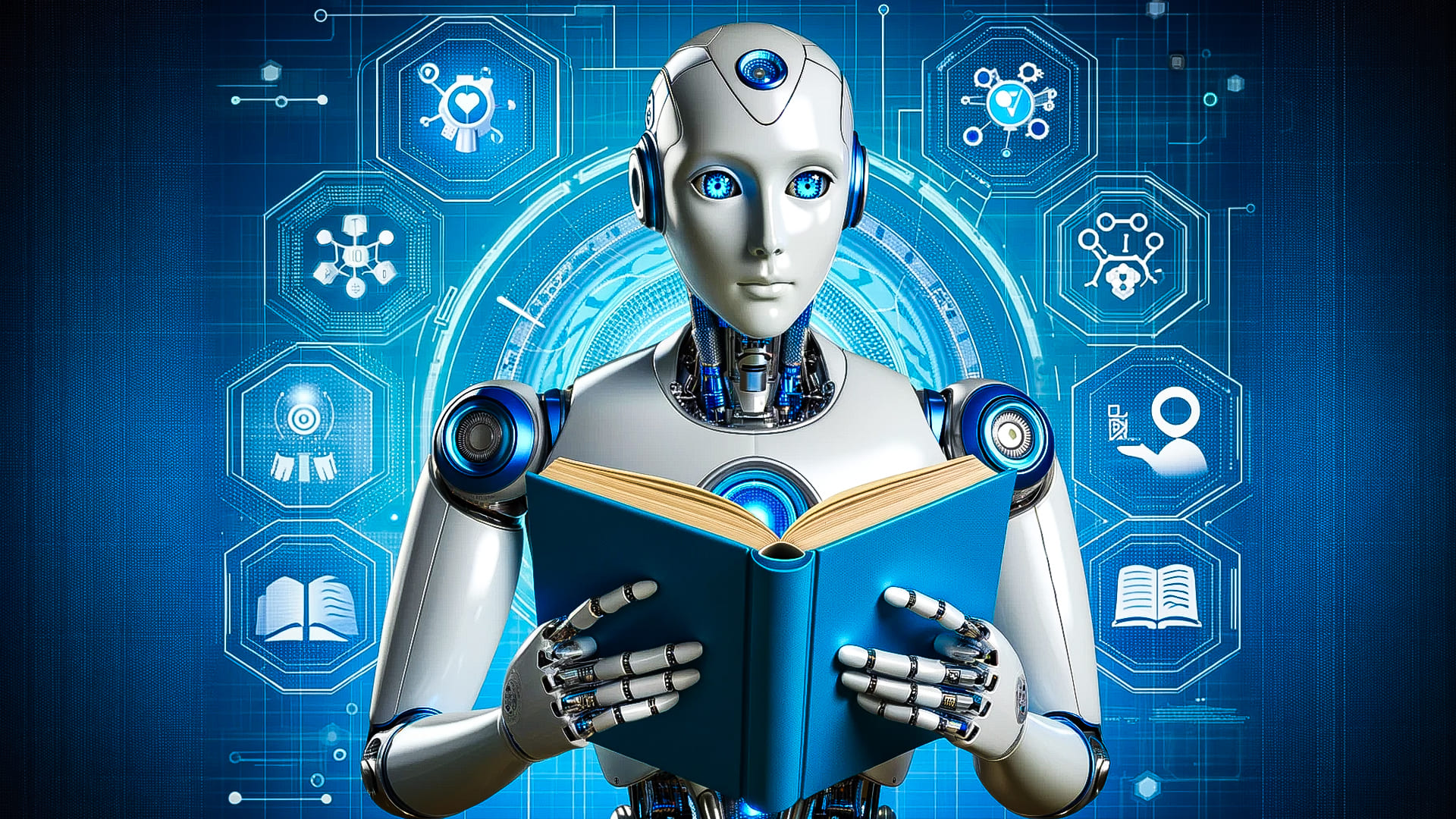
AI, often characterized by its ability to simulate human intelligence through machines, and automation, the use of technology to perform tasks with minimal human intervention, are at the forefront of technological innovation. In education, these technologies go beyond mere tools; they represent a shift in how knowledge is imparted and acquired. AI can tailor learning experiences to individual student needs, while automation can streamline administrative processes, making education more efficient and accessible. However, understanding these technologies in the context of education requires a nuanced perspective that acknowledges their potential to both enhance and disrupt traditional educational models.
The Global Trend: How AI and Automation are Shaping Higher Education
Globally, the integration of AI and automation into higher education is not just a trend; it is becoming a necessity. Universities across the world are adopting AI-driven tools to enhance learning experiences, from intelligent tutoring systems to predictive analytics that can identify students at risk of falling behind. Automation, on the other hand, is revolutionizing administrative tasks, freeing up time for educators to focus on teaching and research. These global trends are not just about adopting new technologies; they are about redefining the role of universities in a rapidly changing world. South Africa, with its unique socio-economic challenges and opportunities, stands at a critical juncture in this global transformation.
Why AI and Automation Matter for South African Universities
For South African universities, the adoption of AI and automation is not just about keeping pace with global trends; it is about addressing some of the most pressing challenges facing the nation’s education system. With a growing demand for higher education and limited resources, AI and automation offer a way to scale educational opportunities without compromising quality. Moreover, these technologies can help bridge the gap between education and the job market, ensuring that graduates are equipped with the skills needed in an increasingly automated world. In this context, the integration of AI and automation is not just a matter of innovation; it is a matter of necessity.

Current State of University Curriculums in South Africa
Traditional Curriculums: Strengths and Weaknesses in a Changing World
Traditional curriculums in South African universities have long been characterized by a strong emphasis on theoretical knowledge, with less focus on practical, industry-relevant skills. While this approach has produced graduates with deep intellectual foundations, it has also left many ill-prepared for the demands of the modern workforce, where technological proficiency is increasingly important. The strengths of these curriculums lie in their ability to foster critical thinking and analytical skills. However, their weaknesses are becoming more apparent as the world shifts towards a more technology-driven economy, highlighting the need for a more balanced approach that integrates practical skills and technological literacy.
The Push for Modernization: Recognizing the Need for Technology Integration
The push for modernization within South African universities is gaining momentum as educators, administrators, and policymakers recognize the urgent need to integrate technology into curriculums. This push is not just about incorporating new tools; it is about rethinking how education is delivered and ensuring that it remains relevant in a rapidly changing world. Modernization efforts are focusing on updating course content to include AI and automation, as well as adopting new teaching methodologies that leverage these technologies. The challenge lies in balancing the preservation of traditional academic values with the need for innovation, ensuring that students are equipped with both the foundational knowledge and the technological skills they need to succeed.
Case Studies: Universities Leading the Way in Curriculum Innovation
Several South African universities are leading the way in curriculum innovation, setting examples for others to follow. Institutions such as the University of Cape Town and the University of the Witwatersrand are pioneering efforts to integrate AI and automation into their courses. These universities are not only updating their curriculums but are also investing in research and development to explore new ways of teaching and learning. For example, the University of Cape Town has introduced AI-focused courses across various disciplines, while the University of the Witwatersrand is exploring the use of AI to enhance student support services. These case studies demonstrate that innovation is possible, even in a challenging economic and educational landscape.

Incorporating AI and Automation into University Courses
Developing AI-Focused Programs: The Shift Towards Specialized Degrees
As the demand for AI expertise grows, South African universities are increasingly offering specialized degrees focused on AI and related fields. These programs are designed to provide students with the skills and knowledge needed to thrive in a technology-driven world. They cover a range of topics, from machine learning and data science to ethical considerations in AI. The development of these programs reflects a broader shift towards specialized education that prepares students for specific careers, rather than just providing a general academic foundation. This shift is essential for ensuring that graduates are not only knowledgeable but also employable in an increasingly competitive job market.
Integrating Automation Across Disciplines: From Engineering to Humanities
AI and automation are not just relevant to fields like engineering and computer science; they have applications across virtually every discipline. South African universities are beginning to recognize this, and efforts are underway to integrate these technologies into a wide range of courses, from business and economics to the humanities and social sciences. For instance, automation can be used to analyze large datasets in economics, while AI can enhance research in fields like psychology and linguistics. By integrating these technologies across disciplines, universities can provide students with a more holistic education that prepares them for the complexities of the modern world.
Collaborations with Industry: Ensuring Relevance and Practicality
To ensure that their AI and automation programs are relevant and practical, South African universities are increasingly collaborating with industry partners. These collaborations take many forms, from internships and work placements to joint research projects and curriculum development. By working closely with industry, universities can ensure that their programs are aligned with the needs of employers and that students are gaining the skills and experience they need to succeed in the workforce. Moreover, these partnerships can help universities stay at the cutting edge of technological innovation, ensuring that their programs remain relevant in a rapidly changing world.

Challenges Faced by South African Universities
Resource Constraints: The Financial and Technological Hurdles
One of the most significant challenges facing South African universities in their efforts to integrate AI and automation is the issue of resource constraints. Many institutions are struggling with limited budgets and outdated technology, making it difficult to invest in the infrastructure needed to support these new technologies. Moreover, the cost of developing and maintaining AI and automation programs can be prohibitive, particularly for universities that are already under financial strain. These financial and technological hurdles are not insurmountable, but they do require careful planning and strategic investment to overcome.
Faculty Training and Development: Bridging the Skills Gap
Another critical challenge is the need for faculty training and development. While AI and automation are transforming the education landscape, many educators are not yet equipped with the skills and knowledge needed to teach these technologies effectively. Bridging this skills gap requires a concerted effort to provide faculty with the training and support they need to integrate AI and automation into their teaching. This could involve professional development programs, collaborative research initiatives, and partnerships with industry experts. By investing in faculty development, universities can ensure that their educators are prepared to lead the way in AI and automation education.
Student Preparedness: Ensuring Accessibility and Inclusivity
Ensuring that all students have access to AI and automation education is another significant challenge. In a country with deep socio-economic disparities, many students may lack the resources or background knowledge needed to succeed in these programs. Universities must therefore work to ensure that their AI and automation programs are accessible and inclusive, providing support for students who may need additional help to succeed. This could involve offering bridging courses, providing financial assistance, or developing targeted outreach programs to encourage underrepresented groups to pursue AI and automation education. By prioritizing accessibility and inclusivity, universities can help ensure that all students have the opportunity to benefit from these transformative technologies.

The Role of Government and Policy in Shaping Curriculums
Government Initiatives: Supporting Technological Advancements in Education
The South African government has a crucial role to play in supporting the integration of AI and automation into university curriculums. Through initiatives such as funding for research and development, incentives for universities to adopt new technologies, and support for faculty training and development, the government can help drive the modernization of higher education. Moreover, government policies can help ensure that AI and automation programs are accessible to all students, regardless of their socio-economic background. By providing the necessary support and resources, the government can help ensure that South African universities remain competitive in a globalized world.
Policy Frameworks: Encouraging Innovation While Maintaining Quality
While it is important to encourage innovation in higher education, it is equally important to ensure that new programs and technologies are implemented in a way that maintains academic quality. The South African government must therefore develop policy frameworks that balance the need for innovation with the need for quality assurance. This could involve setting standards for AI and automation programs, providing guidelines for curriculum development, and establishing mechanisms for monitoring and evaluating the impact of these technologies on education. By developing robust policy frameworks, the government can help ensure that AI and automation are integrated into university curriculums in a way that enhances, rather than undermines, the quality of education.
The Future of Education Policy: Predictions and Recommendations
Looking ahead, it is likely that education policy in South Africa will continue to evolve in response to the growing influence of AI and automation. In the future, we may see greater emphasis on technology-driven education, with policies that support the development of AI and automation programs at all levels of education. Moreover, as the demand for AI expertise grows, there may be increased support for specialized degrees and professional development programs that focus on these technologies. To ensure that these policies are effective, it will be important for the government to work closely with universities, industry partners, and other stakeholders to develop a shared vision for the future of education in South Africa.

Future Prospects: How AI and Automation Could Transform Higher Education
The Evolution of Teaching Methods: AI as a Tool for Educators
As AI and automation continue to evolve, they are likely to have a profound impact on teaching methods in higher education. AI can be used to enhance traditional teaching methods, providing educators with new tools and resources to engage students and support their learning. For example, AI-driven tutoring systems can provide personalized feedback to students, helping them to master difficult concepts more effectively. Moreover, AI can be used to analyze student data and identify areas where they may need additional support, allowing educators to tailor their teaching to meet the needs of individual students. As these technologies continue to develop, they are likely to play an increasingly important role in shaping the future of education.
The Student Experience: Personalized Learning and Support Systems
One of the most exciting prospects for AI and automation in higher education is their potential to transform the student experience. With AI-driven systems, students can benefit from personalized learning experiences that are tailored to their individual needs and preferences. This could involve everything from customized learning paths to AI-driven support systems that provide real-time feedback and guidance. Moreover, automation can streamline administrative processes, making it easier for students to navigate the complexities of university life. By enhancing the student experience in these ways, AI and automation have the potential to make education more engaging, accessible, and effective.
Preparing Students for the Future Workforce: Aligning Education with Industry Needs
As AI and automation continue to reshape the job market, it is essential for universities to align their education programs with the needs of industry. This means not only teaching students the technical skills they need to succeed in an AI-driven world, but also helping them to develop the critical thinking, problem-solving, and communication skills that are essential for success in any field. By focusing on these areas, universities can help ensure that their graduates are well-prepared for the challenges and opportunities of the future workforce. Moreover, by collaborating with industry partners, universities can ensure that their programs remain relevant and up-to-date, providing students with the skills and knowledge they need to thrive in a rapidly changing world.
The integration of AI and automation into university curriculums is not just a trend; it is a necessity for South African universities seeking to remain competitive in a globalized world. By embracing these technologies, universities can enhance the quality of education, prepare students for the future workforce, and contribute to the development of a more inclusive and equitable society. However, achieving these goals will require a concerted effort from all stakeholders, including universities, government, industry, and the broader community. As we move forward, it will be essential to continue exploring new ways to integrate AI and automation into education, ensuring that these technologies are used to enhance, rather than undermine, the quality of education in South Africa.
FAQs on AI and Automation in South African University Curriculums
How are South African universities currently incorporating AI and automation into their curriculums?
South African universities are increasingly incorporating AI and automation into their curriculums by offering specialized programs in data science, machine learning, and AI development, while also integrating these technologies into broader fields like engineering, business, and healthcare. They are adopting AI-driven tools for personalized learning, research, and administrative automation, preparing students for the evolving demands of the job market.
What challenges do South African universities face in integrating AI and automation?
South African universities face challenges in integrating AI and automation due to limited access to advanced technology and infrastructure, as well as the high costs associated with implementing AI-driven tools. Additionally, there is a skills gap in both faculty and students, coupled with concerns over equitable access and the need to balance traditional education methods with emerging technologies.
What role does the South African government play in supporting AI and automation in higher education?
The South African government supports AI and automation in higher education by funding research initiatives, developing policies to promote digital skills, and encouraging partnerships between universities, industry, and technology firms. It also invests in infrastructure and innovation hubs to help universities integrate emerging technologies into their curriculums and prepare students for the future job market.
How can AI and automation improve the student experience in South African universities?
AI and automation can improve the student experience in South African universities by providing personalized learning paths, adaptive content, and real-time feedback, helping students better understand complex topics at their own pace. Additionally, automation streamlines administrative processes, such as enrollment and grading, allowing students to focus more on their education while reducing logistical barriers.
Why is it important for South African universities to align their programs with industry needs?
It is important for South African universities to align their programs with industry needs to ensure that graduates possess the relevant skills and knowledge required to thrive in the rapidly evolving job market. This alignment helps enhance employability, fosters innovation, and strengthens the country's economy by bridging the gap between education and practical, real-world applications.
What are the future prospects for AI and automation in South African higher education?
The future prospects for AI and automation in South African higher education are promising, with potential advancements including more personalized and efficient learning experiences, improved administrative efficiency, and enhanced research capabilities. As technology continues to evolve, universities are likely to see increased integration of AI-driven tools and automation, which could further transform teaching methods, curriculum design, and student support services.
Elisha Roodt
Sharing authentic stories and expert insights from the heart of South Africa's higher education landscape.
More From South Africa

Access vs Success: The Gap Between Getting In and Thriving in South African Universities
Why Opening the Gates Isn’t the Same as Crossing the Finish Line Every January, South Africa celebrates as hopeful students clutch their...
Harnessing Digital Transformation
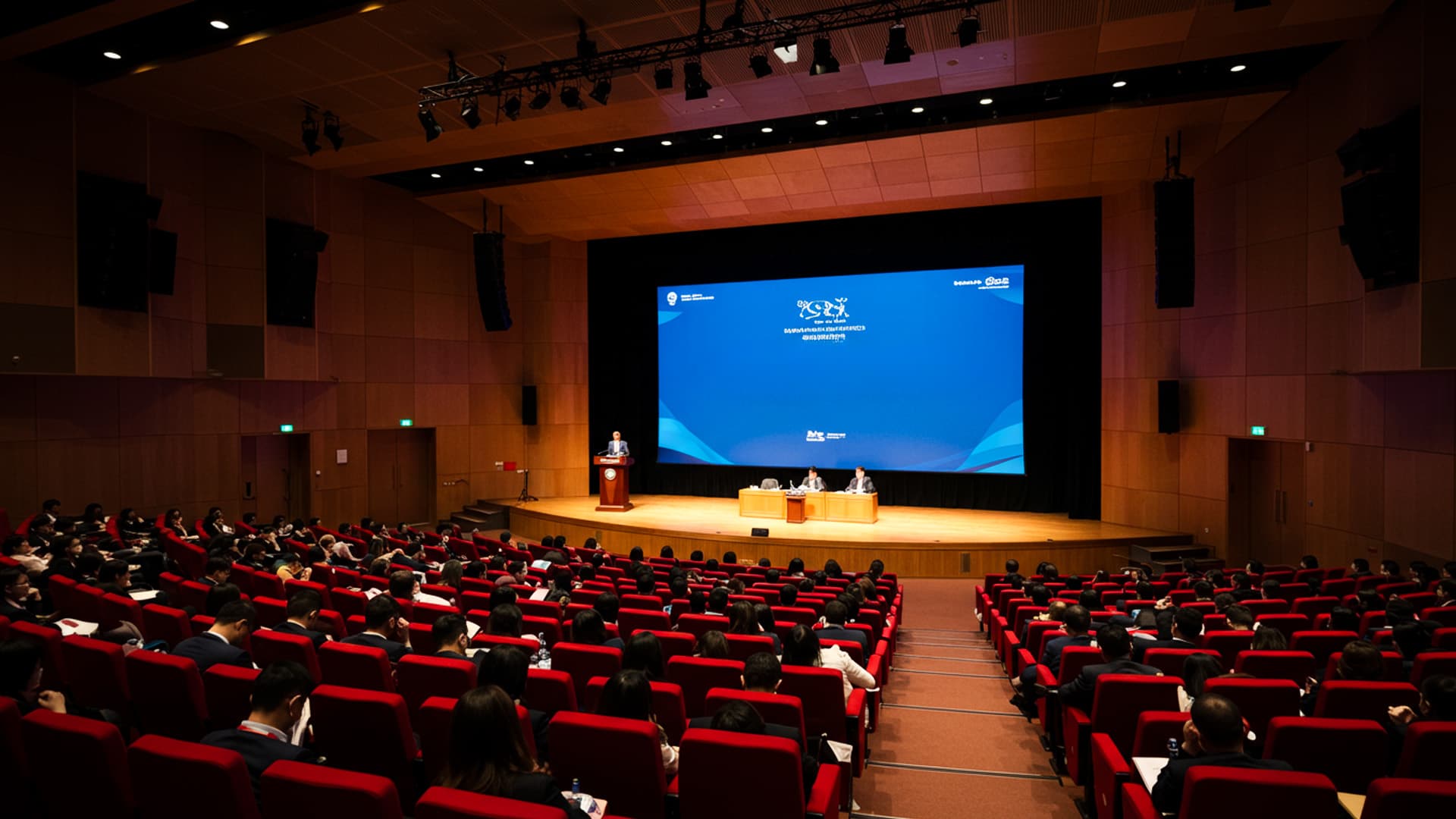
South African universities are embracing digital transformation to enhance student success. Institutions like Tshwane University of Technology are collaborating with tech giants such as IBM and Huawei to create innovation hubs, providing students with practical, workplace-based projects. This approach aims to ensure that all stakeholders—senior management, staff, and students—are actively involved in the digital transformation journey

Top 10 Universities in South Africa 2025
The "Top 10 Universities in South Africa 2025 Edition" highlights institutions excelling in research, innovation, and student success. Leading the list are the University of Cape Town, University of the Witwatersrand, and Stellenbosch University. These universities are recognized for their academic excellence and global impact.

How to Apply to South African Universities
Applying to South African universities involves researching programs, meeting academic and language requirements, preparing application materials, and submitting through online portals.

Top Degrees to Pursue in South Africa
Navigating the labyrinth of higher education can feel akin to embarking on an exhilarating adventure, where each degree represents a distinct path...

In-Demand Career Paths
Navigating the South African Job Market: Unlocking Opportunities Through Strategic Education South Africa's dynamic economy presents a tapestry of...